Your doctor does not know
about the turmeric milk.
Most of us hold two health worlds at once. What the clinic prescribed, and what has been in the family for four generations. We are usually the only person who knows about both.
We begin at 2:00pm BST
We are live now. Join the stream
The session has finished. Watch the replay
Two traditions, one appointment
Ask a room of people whether they use both conventional medicine and something older, and most hands go up. Ask whether their GP knows, and most go back down. That silence is where this session starts.
Nobody here is arguing that one tradition replaces the other. The question is narrower and much more practical: what has to change so a clinician, a physiotherapist, a dietitian and a community health worker can act on one plan for one person, instead of four plans that never meet.
The World Health Organization has been moving this way for years. Its Global Traditional Medicine Strategy for 2025 to 2034 was adopted by Member States in 2025, and the survey work behind it is blunt about the scale of what is already happening outside the clinic.
Three figures set the shape of the afternoon.
WHO Member States whose populations use traditional, complementary or integrative medicine. Nearly every country on earth.
Member States with legislation or regulation covering herbal medicines. The practice is not only common. It is governed.
The share of global health research money spent studying any of it. That distance between use and evidence is the whole problem.
Health is made at home. Hospitals are for repairs.
Lord Nigel Crisp · former Chief Executive of the NHS in England
An afternoon, not a lecture
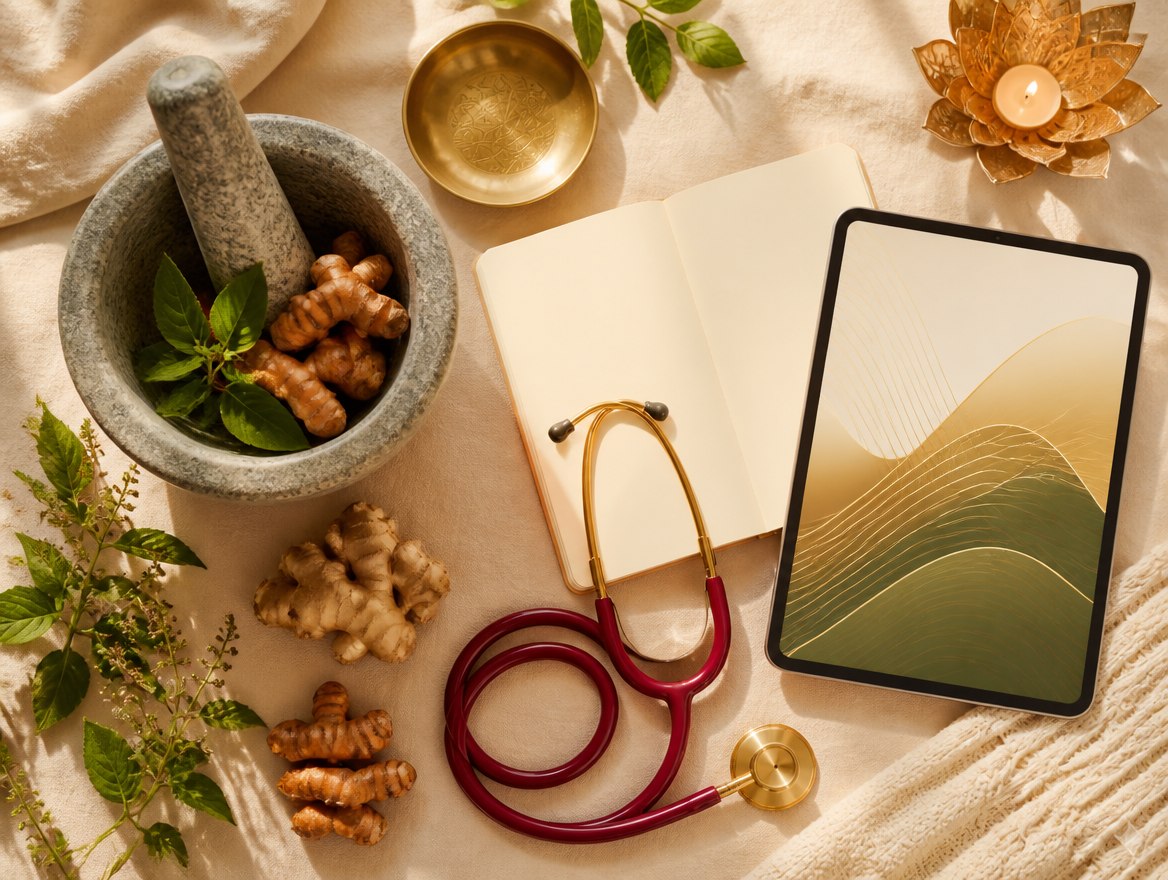
The session runs from two o'clock and the shape is deliberately unhurried. Clinicians and practitioners take a subject each, in plain language, with time between them. The chat is read on air throughout, and the questions people are slightly embarrassed to ask are the ones that get answered properly.
You do not need a background in any of this. You do not need to agree with all of it. Come for one segment or stay for the afternoon.
Six concerns, one person
Integration is not a longer list of treatments. It is six things held together around one person, instead of handled separately by six services that never speak.
What the afternoon is organised around
Whole person care
Treating the person who has the condition, not only the condition that has the person. History, household, work, worry and diet belong in the same conversation.
Prevention and wellness
Most of what fills a clinic took years to arrive. The cheapest medicine is the appointment that never becomes necessary.
Mind, body and spirit
Sleep, stress and a sense of purpose change measurable outcomes. Practitioners have always said so. The evidence has been catching up.
Natural and holistic
Herbal traditions, nutrition and movement, examined honestly. What holds up under scrutiny, and what does not.
Community and collaboration
A doctor, a physiotherapist, a dietitian and a community volunteer working from one plan rather than four.
Global impact and unity
What Kerala can teach Kent, and the reverse. Integration is a global conversation with local answers.
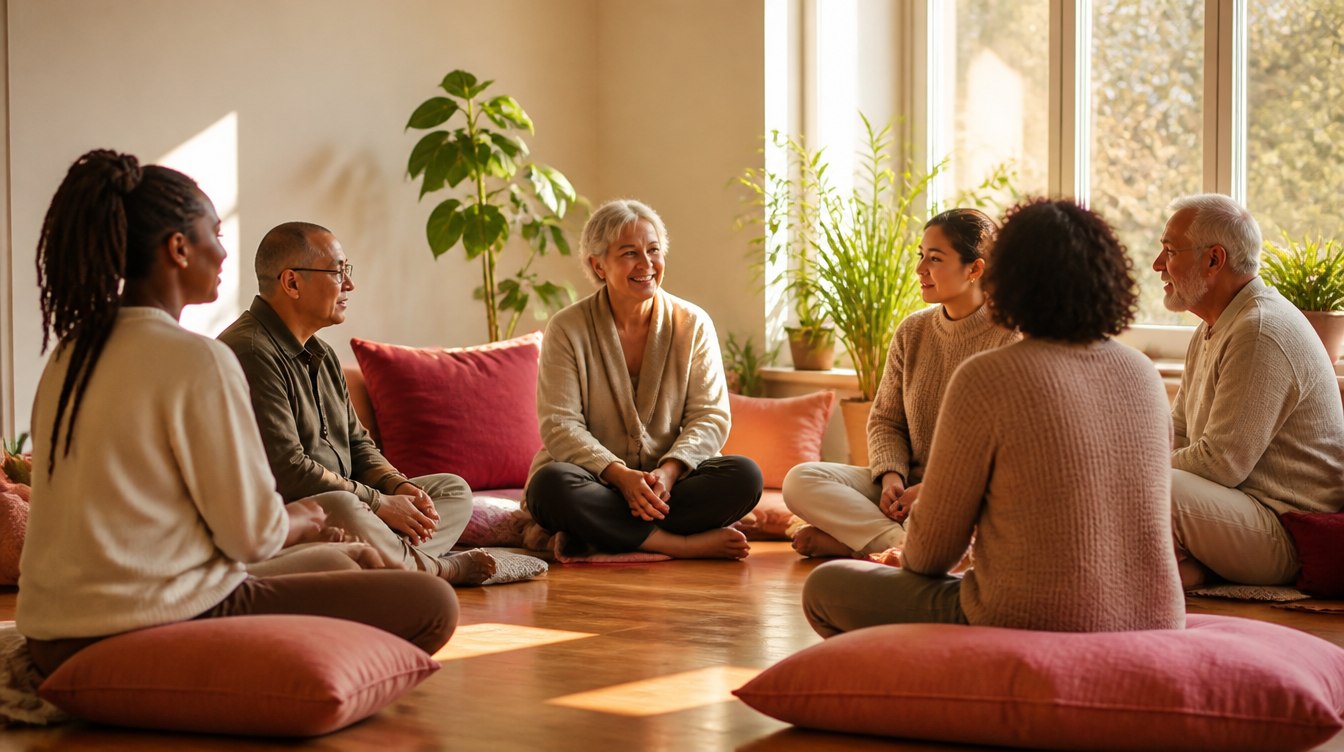
The best health conversation most people have all year is the one where somebody finally listens for long enough.
Three things, none of them difficult
The line-up is being confirmed
Clinicians, practitioners and community health voices are being confirmed now. Check back here for the full running order, or tap Notify Me on YouTube and let the reminder do the work.
The livestream, on this page

In partnership with

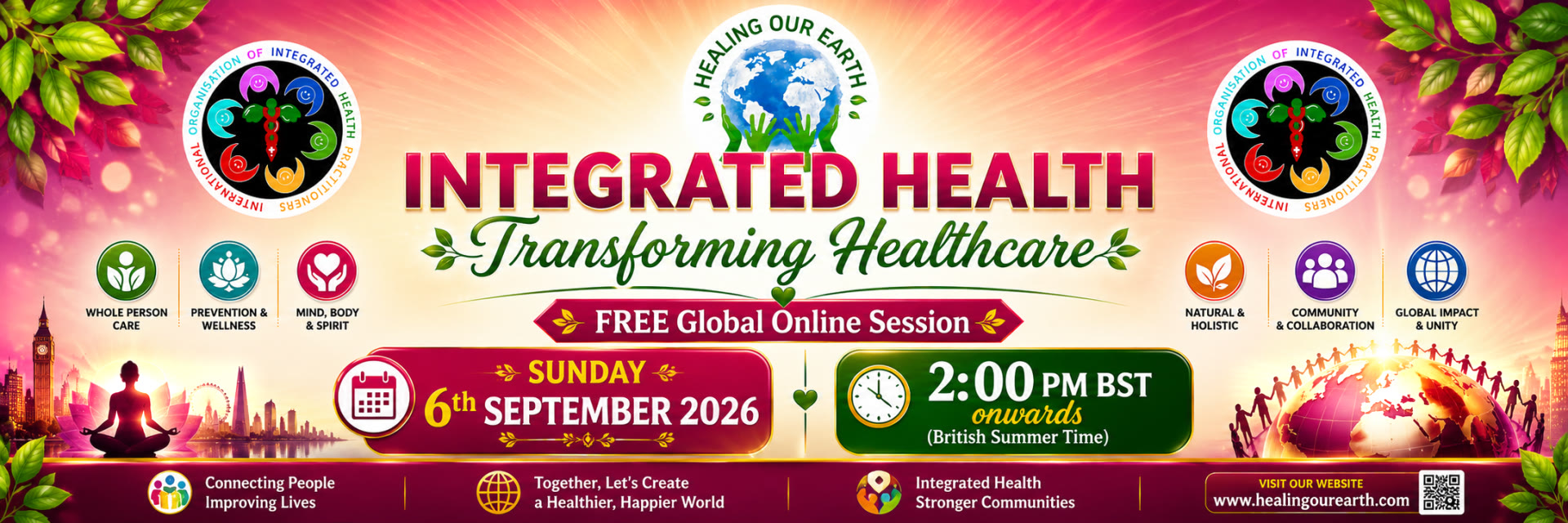
Sunday 6 September
2:00pm BST
Free, open to everyone, nothing to book. Whether you work in healthcare, practise a traditional system, or simply want a better conversation about your own health, you are welcome.
All times are British Summer Time.
 Scan for the event page
Integrated Health
Transforming Healthcare
FREE Global Online Session